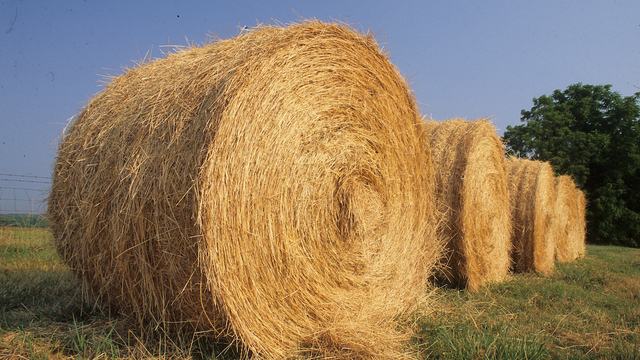
Prolonged dry conditions across North Carolina and Halifax County are putting a heavy strain on local forage production and pasture quality. With high summer temperatures and below-average rainfall slowing pasture regrowth, livestock producers are facing reduced hay yields, diminished forage availability, and anticipated winter hay shortages.
As field conditions tighten forage supplies, local cattle, horse, and livestock owners are being encouraged to plan ahead, evaluate herd feeding strategies, and leverage statewide connection tools to secure quality hay.
Connecting Buyers and Sellers: NCHayFinder.com
To help farmers navigate forage deficits and manage rising feed expenses, N.C. Cooperative Extension, with support from the North Carolina Farm Bureau and the North Carolina Cattlemen’s Association, maintains the NC Hay Finder Portal.
NCHayFinder.com is a free, centralized online marketplace designed to connect hay buyers directly with sellers across North Carolina and neighboring regions.
Key Features of NC Hay Finder
- Location-Based Search: Locate available hay inventory by entering your local ZIP code or county.
- Custom Filters: Filter search results by distance, bale format (round vs. square), forage species (e.g., Fescue, Alfalfa, Bermuda), and price.
- Free Listings for Producers: Farmers with excess forage or stored hay can create a free profile to post available inventory and support fellow agricultural producers.
- Reduced Freight Costs: By locating sellers within local or adjacent counties, producers can minimize transportation and haul costs during tight supply windows.
Critical Management Steps During Drought Conditions
Finding a hay supply is only part of the equation. Extension specialists advise local producers to keep the following practical management strategies in mind as dry weather persists:
- Test Your Hay Quality: Drought-stressed forages and hay sourced from unfamiliar regions can vary significantly in nutritional content. In drought conditions, certain warm-season grasses and weeds can also accumulate dangerous levels of nitrates. Forage testing through the N.C. Department of Agriculture & Consumer Services (NCDA&CS) provides an accurate measure of protein, energy, and nitrate safety before feeding.
- Monitor Pasture Weeds: As preferred pasture grasses thin out, livestock may graze on weeds they normally avoid, increasing the risk of plant toxicities.
- Evaluate Herd Needs and Culling Strategies: When forage is scarce, strategically culling low-producing, older, or non-pregnant stock preserves feed resources for the highest-performing livestock.
- Document Losses and Check FSA Resources: Livestock owners experiencing drought losses should document pasture conditions and feed expenditures, and contact their local USDA Farm Service Agency (FSA) office to check eligibility for disaster relief programs.
Need Local Assistance?
If you need help submitting hay samples for laboratory analysis, identifying pasture weeds, or developing a drought-contingency plan for your operation, reach out to your local Extension office at (252) 583-5161 or visit us at 359 Ferrell Lane in Halifax.
