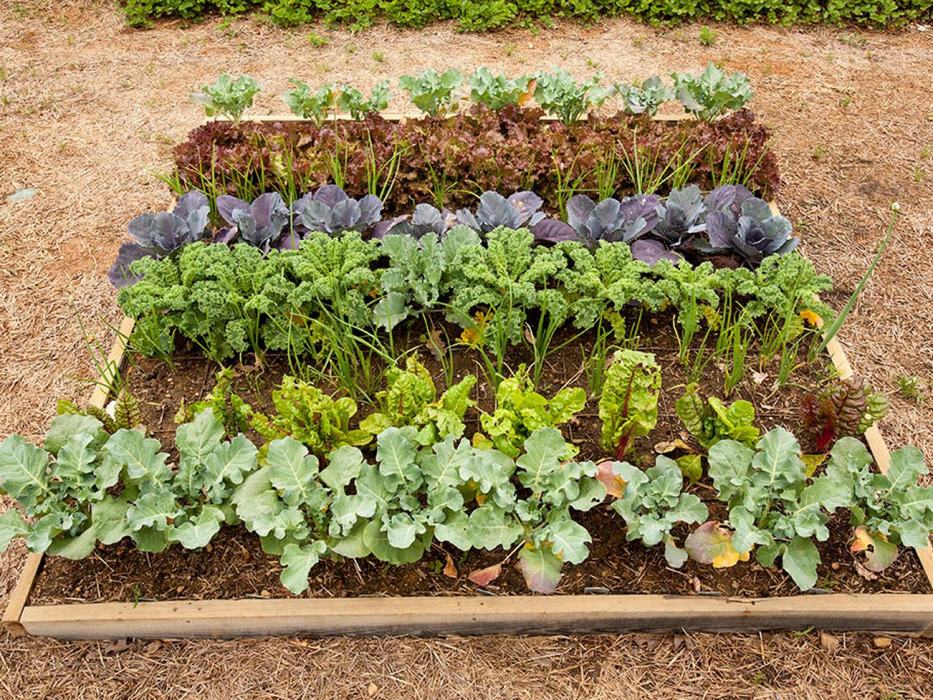
Fall is a great time to plant, many vegetables and herbs can be planted in the fall. Carrots, cauliflower, dill, garlic and kale are just a few, for a list or vegetables and dates check out Eastern North Carolina Planting Calendar.
Fall Planting, Not Just For Vegetables
(Updated: Aug. 31, 2023, 7:58 a.m.)
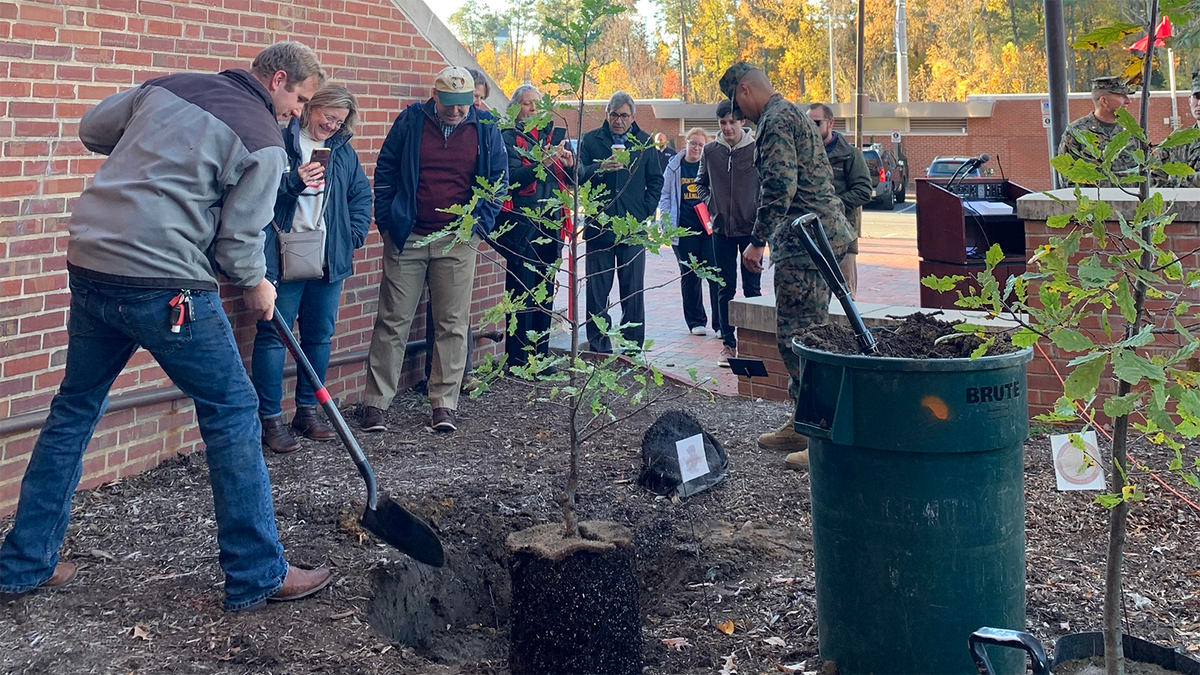
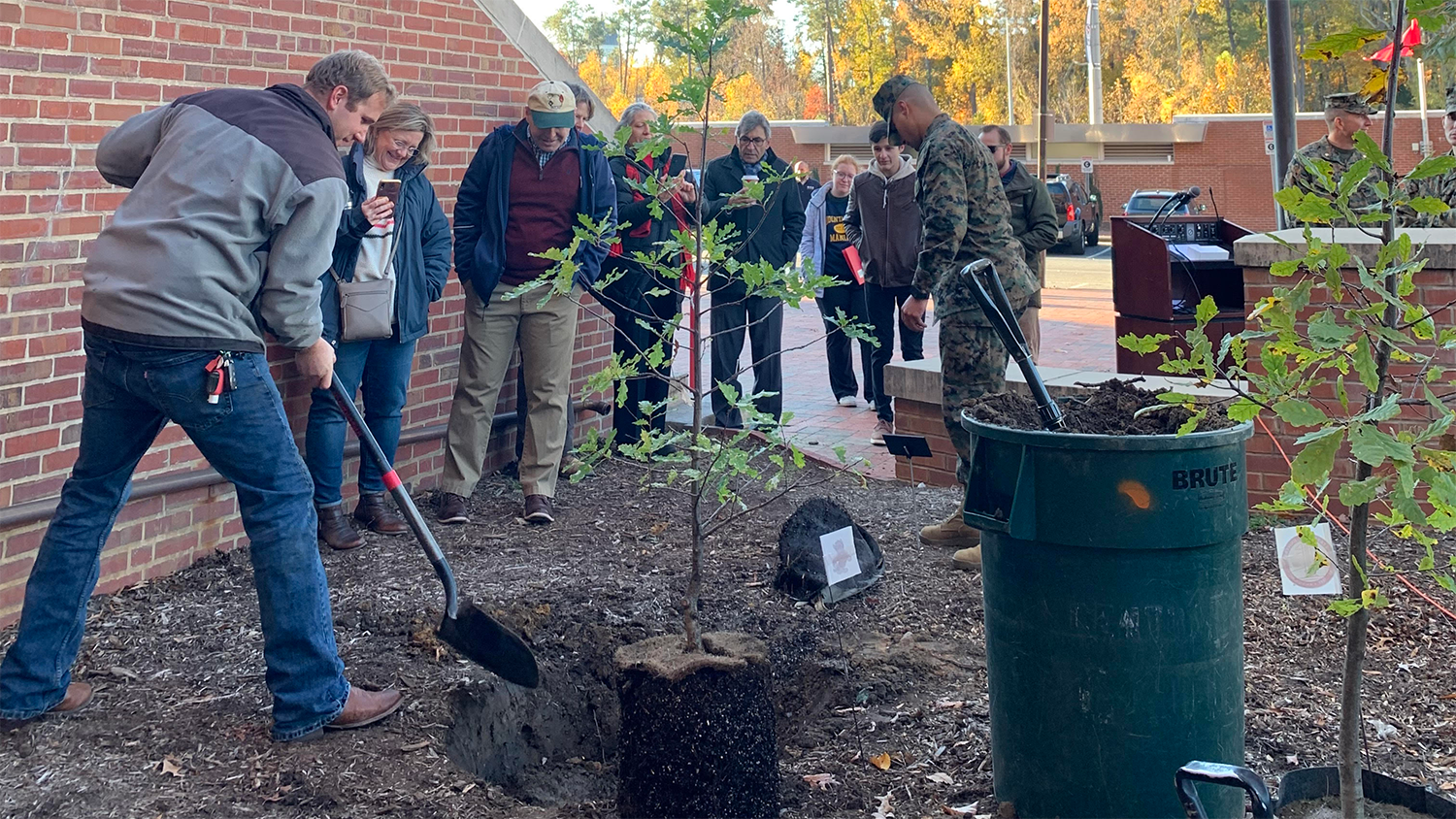
Fall is also a good time to plant ornamental deciduous trees, shrubs and herbaceous perennials. Just like in the spring the weather is cooler and has more rain than the summer, putting less stress on new plantings. Fall planting allows the roots of the new plantings to grow and get more established. This happens because root growth will continue after the top vegetative growth has stopped and in places with more mild winters can grow well into winter. When planted in spring, plants are forced to attempt to establish new roots, shoots, and flower growth simultaneously. The more established root systems will result in better spring flushing and flowering. You can also have less pest pressure for fall plantings, there are fewer insect and disease problems since a lot of them are winding down whereas in the spring and summer they are ramping up.
In general, deciduous plants are more suitable for fall planting than evergreens. Evergreens will still lose water through their leaves in the winter and are susceptible to winter injury before their roots are established. Deciduous species that respond well to fall planting include apples, maples, elms, lilacs, and forsythia. The chance of plant failure increases the later in the season you wait so try to give plants at least six weeks of mild weather for root growth before freezing temperatures arrive. Remember that it can vary how long it takes for plants to get established in the landscape, bigger plants with thicker diameter trunks take longer, so just because you planted in the fall doesn’t mean you won’t have to take care of it the following year.
Join our mailing list!
Enter your email address to receive updates.
Written By

More About