Keep an Eye Out for Bagworms
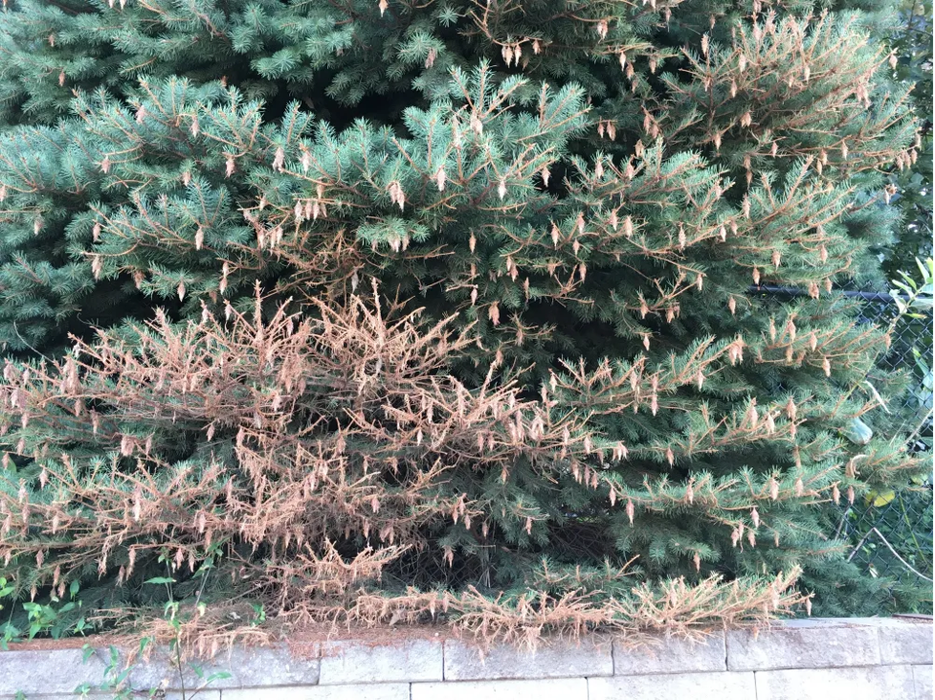
May thru June is the best time to look for and treat bagworms. Bagworms, Thyridopteryx ephemeraeformis, are common landscape insect pests that can feed on many plant species but are most common on conifers such as leyland cypress, arborvitae, cedar, juniper, and pine. They feed on the leaves or needles and large populations can cause severe defoliation. Defoliation for multiple years can reduce tree growth or cause sparse foliage and poor appearance. Large sections of evergreens may be killed. In addition, the brown bags can become very noticeable and unsightly in large numbers.
Identification
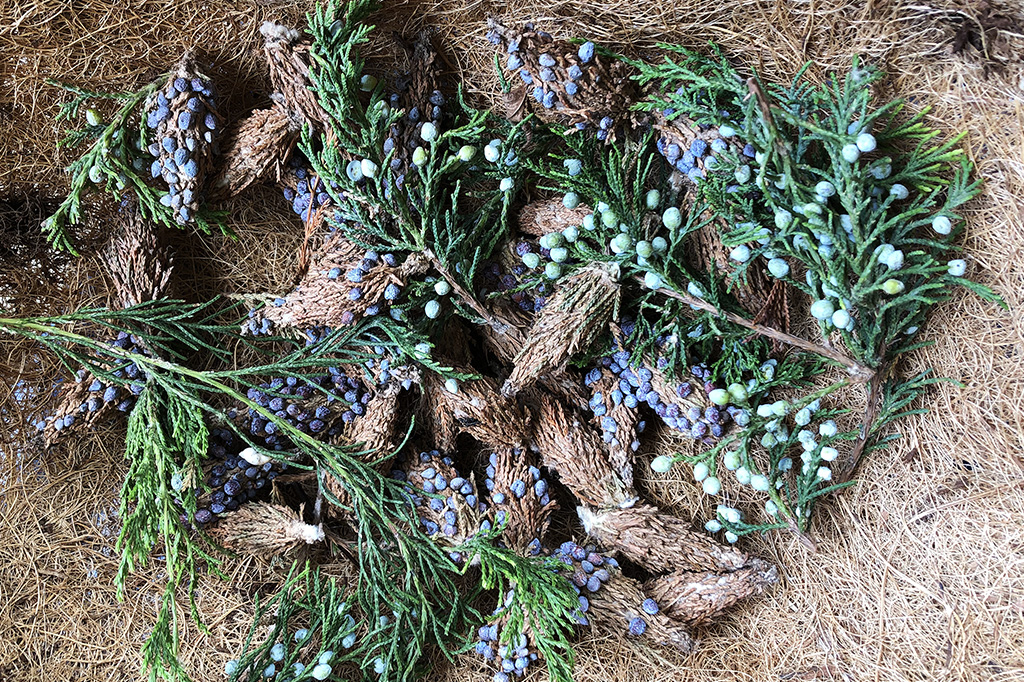
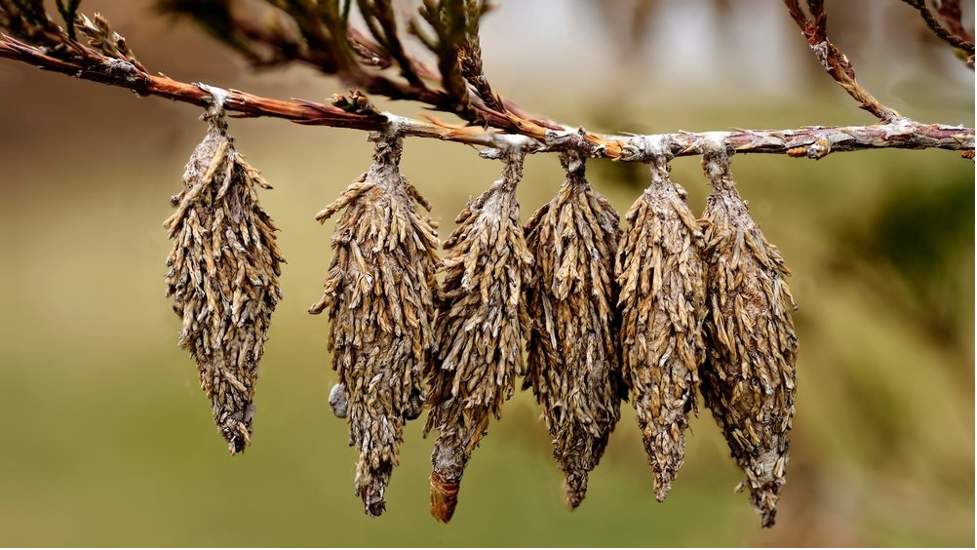
They are easily identified by the cone-shaped bag they spin from silk and embed with bits of host plant and other debris. The bags range in size from 1⁄4 inch to over 2 inches to depending on the size of the growing caterpillar inside and the caterpillars are rarely seen outside of bags. Female bagworms lay 500 to 1,000 eggs in their bag before they die in the fall. The eggs then overwinter and hatch in May and June. The newly hatched larvae crawl to foliage to feed or spin down on silken threads that are blown about in the wind. This behavior is called ballooning and helps bagworms get to new plants.
Control
If the bagworms are first noticed in late summer, the only option you have is to physically remove the bags. Insecticides will only work when they are actively feeding in late spring and early summer. It's recommended to use a very sharp knife or utility razor to cut the silk band that bagworms wrap around the twig along with removing the bag. If left the silk band can sometimes girdle the twig. Bagworms removed from the tree should be kept in an open, dry paper bag to allow parasites to emerge from the removed bags to parasitize other bagworms in neighboring landscapes.
If populations are small, they can be managed by hand removal but if larger populations exist May or early June is a perfect time to spray for bagworms. The caterpillars are tiny and feeding during these months which makes them very susceptible to pesticides. Use a pyrethroid such as permethrin or bifenthrin look for things labeled to treat bagworms. These pesticides are readily available at most garden centers and big box stores. Another option is to plant less susceptible plant species if bagworms are common.
For more information on bagworms check out this link.
Join our mailing list!
Enter your email address to receive updates.
Written By