Powdery mildew is a common fungal disease that effects many different plants. The symptom of powdery mildew is a grayish-white, powdery mat visible on the surface of leaves, stems, and flower petals. Powdery mildew is not caused one specific fungus but the name given to a group of diseases caused by several closely related fungi. Even though this disease is not fatal, plant damage can occur when the infection is severe leading to reduced growth and flowering.
Powdery Mildew
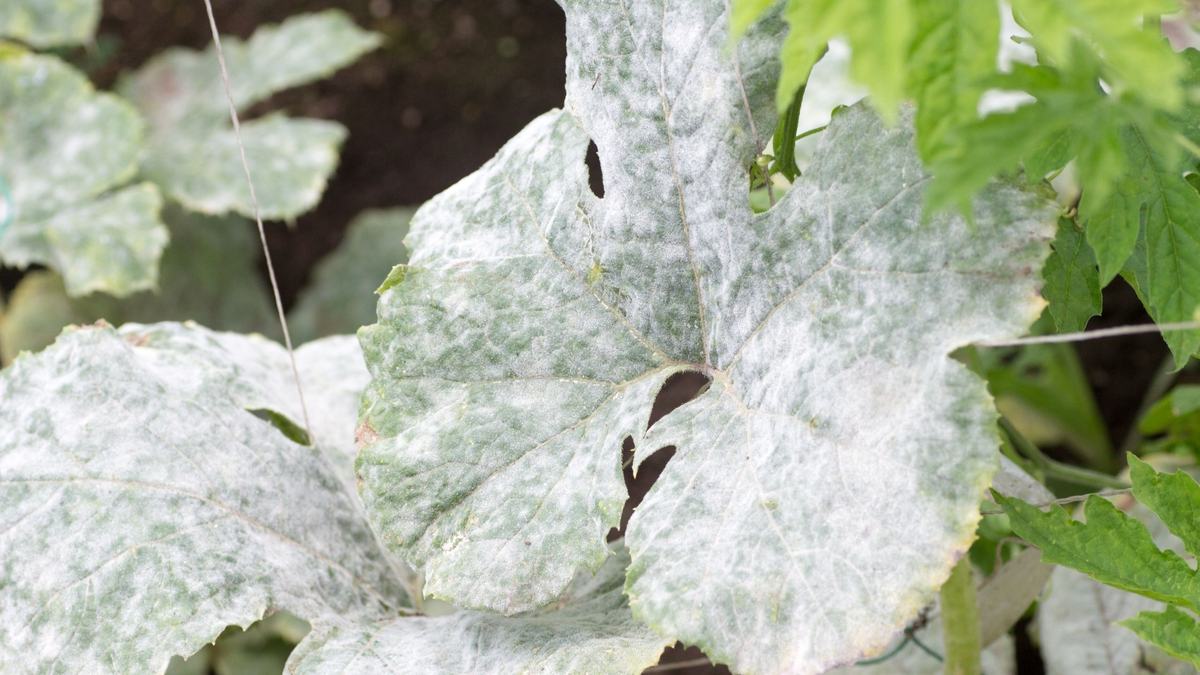
Life cycle and favorable conditions
As daytime temperatures rise above 60 °F, the fungi responsible for powdery mildew begin to produce spores, which are dispersed into the air. Infections occur when they contact a suitable host and environmental conditions are favorable. Initially symptoms are small, circular, powdery, white spots, which expand and eventually join as infections progress. Infections spread as spores produced in these white patches move by wind and splashing rain to other locations on the plant or nearby plants. The fungus overwinters attached to plant parts and plant debris, such as on fallen leaves. Then when spring comes and the weather warms, the process begins again.
Humidity is an important factor related to the onset and spread of powdery mildew. Unlike most fungi, these do not require free water to germinate; only a high level of relative humidity is required. High relative humidity favors spore formation. Low relative humidity favors spore dispersal.
Plants that commonly become infected with various powdery mildew include azalea, crabapple, dogwood, phlox, euonymus, lilac, snapdragon, dahlia, zinnia, crape myrtle, rose, pyracantha, rhododendron, spirea, wisteria, delphinium, oak, English ivy, photinia, blueberry, pecan, cucumber, and squash.
Management
As with all diseases, having a healthy plant is the first line of defense. One option for management is to tolerate the disease for example the infections don’t reduce plant growth and flowering. There are powdery mildew resistant varieties of some plants and if it is an issue in your landscape choosing one of them would help. Reducing humidity in the plant canopy can also help manage the disease. When planting, space the plants to allow adequate air circulation through them and prune to thin the foliage.
Don’t over fertilize plants, powdery mildew easily infects this lush growth that happens with to much nitrogen.
Lastly you can use fungicides, however they are rarely necessary. Fungicides should only be used to protect high-value plants that cannot be replaced and have a history of severe infection. For fungicides to be effective, they must be applied as soon as symptoms are noticed. Product labels will provide information on how often to spray, this is typically every 7 to 14 days. Look for fungicides labeled to control powdery mildew and follow the label.
Join our mailing list!
Enter your email address to receive updates.
Written By